Research Blog
Evidence-based articles on peptide mechanisms, dosing protocols, clinical data, and research methodology. Cited sources. No hype.
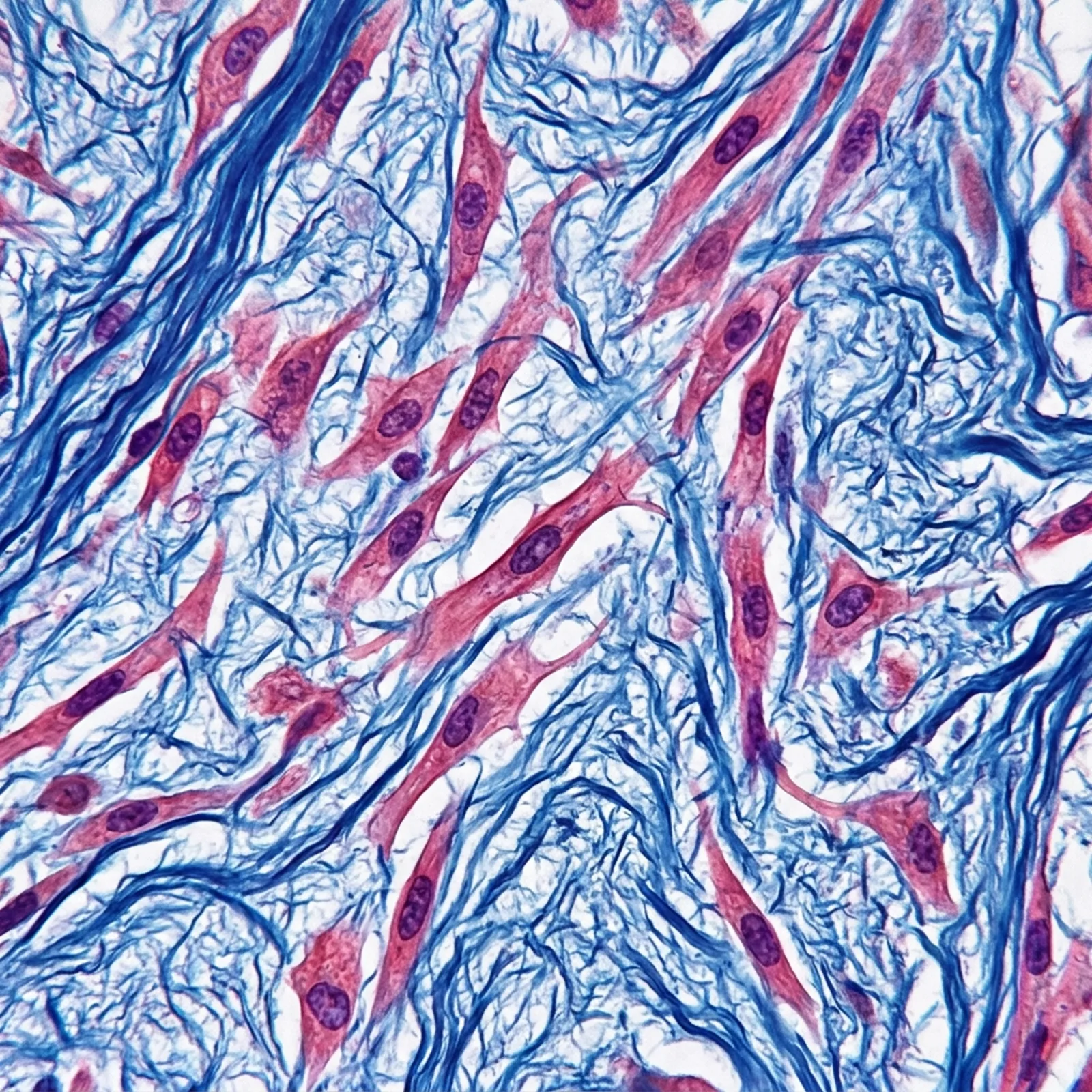
Why BPC-157, TB-500, and GHK-Cu Get Stacked Together: The Mechanism Map
Three peptides, three different cellular processes, one tissue-repair logic. The combination has become one of the most-used research stacks. Here is the mechanistic case for why — and what the evidence actually supports.
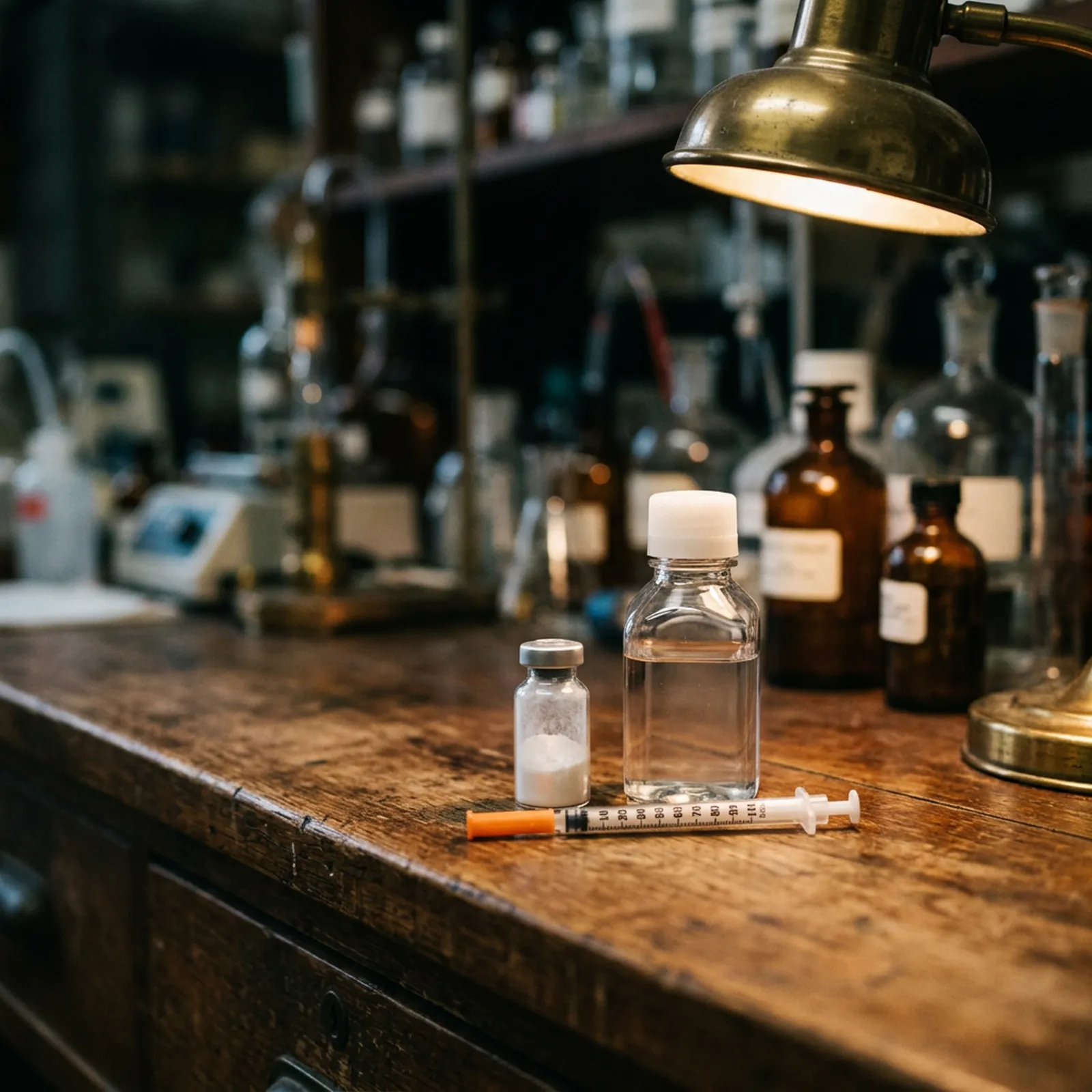
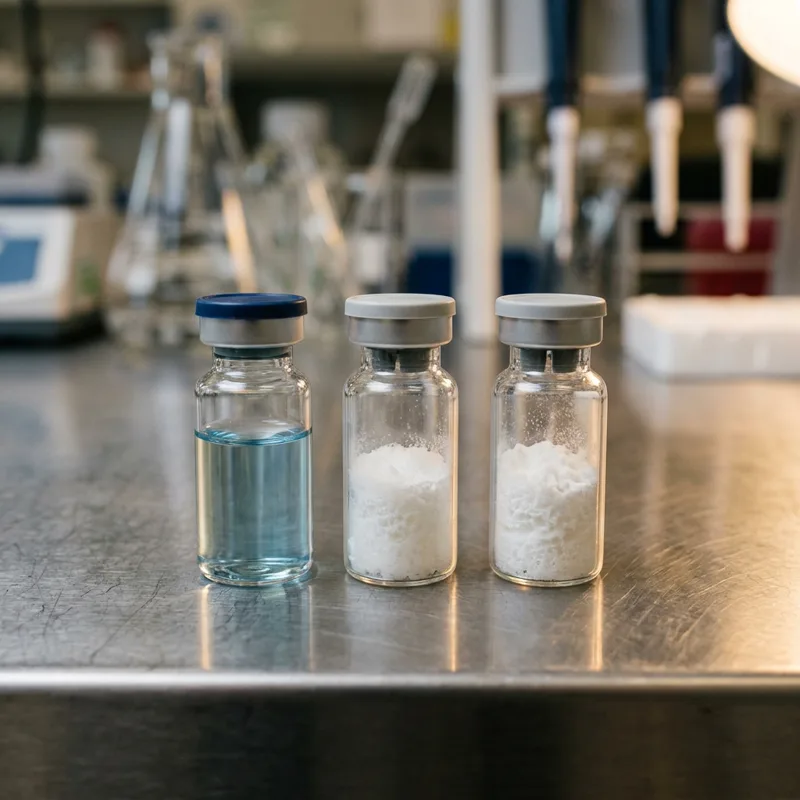
How to Reconstitute Peptides: Step-by-Step Lab Protocol
Lyophilized peptides arrive as dry powder or cake. Research-chemical reconstitution requires the right solvent, the slow-stream technique, and concentration math to keep a research solution intact.
Bacteriostatic Water for Peptides: Sourcing and Sterility
Bacteriostatic water is sterile water plus 0.9% benzyl alcohol. That additive makes it safe for multi-dose lab use. Here is what it is, where U.S. labs source it, and how storage affects it.

Are Research Peptides Legal in the U.S.? RUO and FDA
Research peptides occupy a defined but frequently misunderstood legal category in the U.S. The answer depends on which law applies, what the peptide is, who is buying it, and what it is labeled for.

Peptides Near Me: Where Research Labs Source Peptides in Major U.S. Metros
When a lab technician types 'peptides near me,' they are almost certainly asking the wrong question. Here is how research institutions across the ten largest U.S. metros actually source RUO peptides — and why geography matters less than cold-chain logistics.
BPC-157 vs. TB-500: What the Research Actually Shows About Each Peptide
BPC-157 and TB-500 are frequently compared and often stacked — but their mechanisms are genuinely distinct. A research-grounded breakdown of what the published data actually shows for each peptide.
Healing Peptide Blends: BPC-157 + TB-500 + GHK-Cu — Why Researchers Combine Them
BPC-157, TB-500, and GHK-Cu each target different phases of the tissue repair cascade. A research-based explanation of the three-phase healing model and why the published data supports studying these peptides together.
How BPC-157 Actually Works: The Nitric Oxide, VEGF, and Growth Factor Story
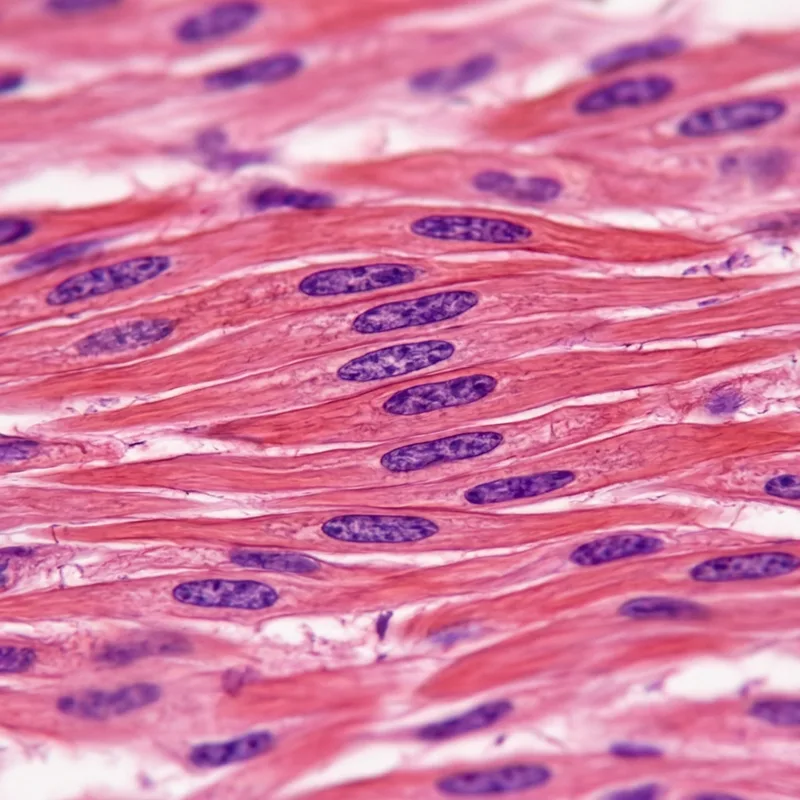
A mechanistic deep dive into how BPC-157 works: nitric oxide modulation via Src-Cav-1-eNOS, VEGFR2-driven angiogenesis, FAK-paxillin cell migration activation, and the gut-brain axis connection from published research.
The Science of Recovery: How Your Body Heals Tendons, Ligaments, and Muscle — And What Peptides May Add
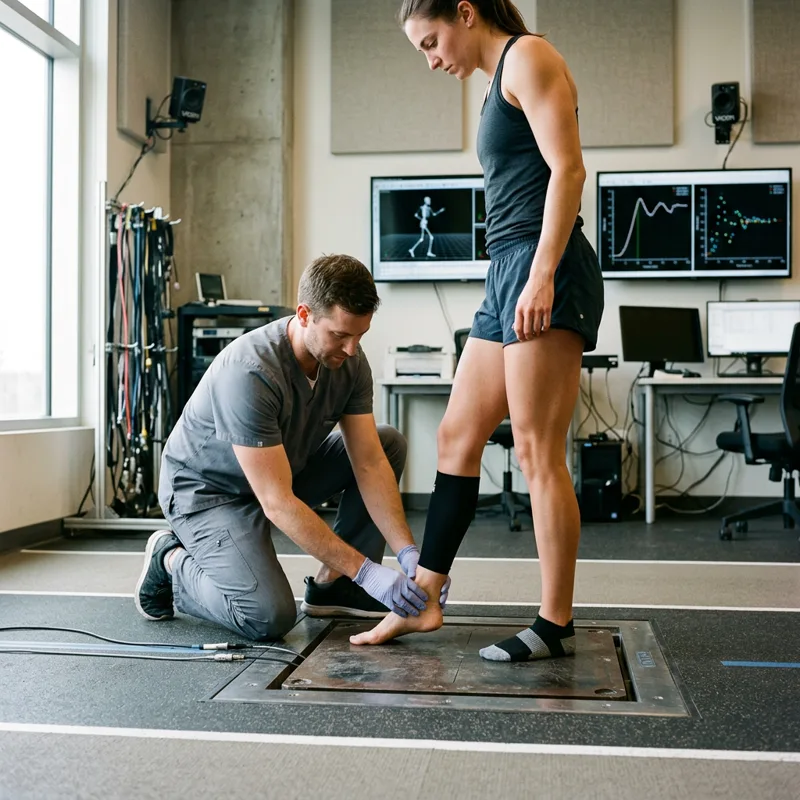
Tendons and ligaments heal slowly — and often incompletely. Here's the biology behind why, and what the research on BPC-157, TB-500, and GHK-Cu says about where peptides might fit in the recovery process.