 NewFor research use only
Longevity & Cellular / Mitochondrial Peptides
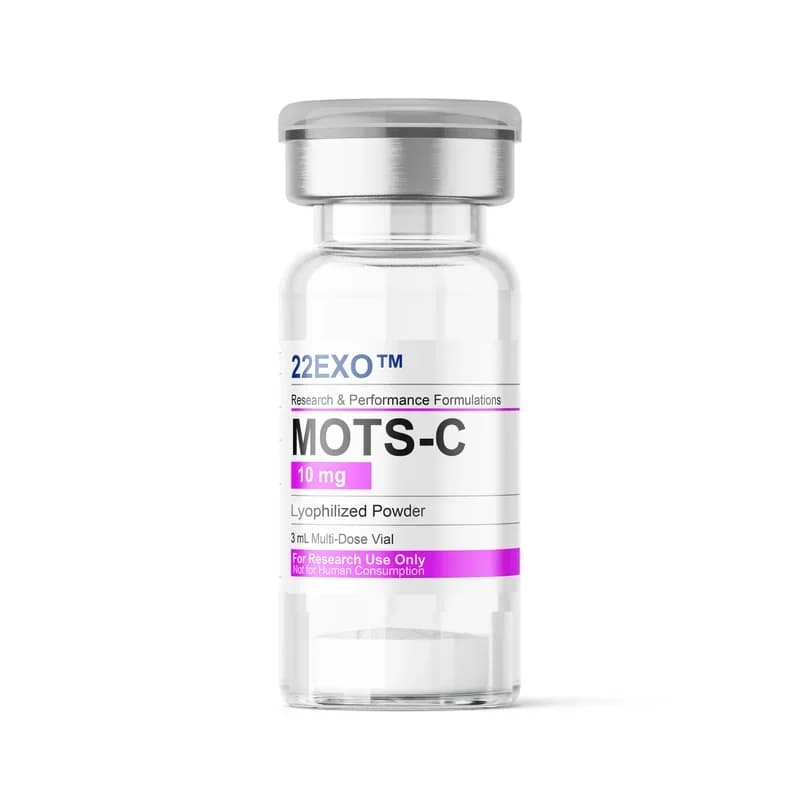
MOTS-C 10mg
Research gradePronounced: motts-see
The mitochondrial genome peptide — translocates to the cell nucleus under metabolic stress to activate AMPK, improve insulin sensitivity, and mimic the metabolic benefits of exercise.
- Target purity ≥98%
- COA pending — lot documentation on request
- Cold packs when needed
You save $35.41 per vial
Free standard shipping on orders over $200.00 · Discreet packaging
| 1 vial | $82.59 | |
| 2 vials | $78.46 | Save 5% |
| 3 vials | $74.33 | Save 10% |
| 4 vials | $70.20 | Save 15% |
| 5–9 vials | $66.07 | Save 20% |
| 10+ vials | $61.94 | Save 25% |
Tiers apply to the quantity on each cart line; a Subscribe & Save line is priced separately from a one-time line.
- Target purity
- ≥98% (COA pending)
- Strength
- 10mg
- CAS
- 1456632-02-2
- Formula
- C70H121N21O22
- Form
- Lyophilized Powder
- Vial
- 3 mL Multi-Dose Vial
Sequence: Arg-Ala-Ala-Ala-Ser-Ser-Ser-Ser-Thr-Ala-Val-Leu-Gly-Val-Leu-Pro-Val-Leu-Ala-Ala-Leu-Ala-Ala-Ser-Ser-Ser
Third-party certificate of analysis for the current lot is pending. Email support@22exo.com to request lot documentation before ordering.
Ordering for an institution? Volume pricing and purchase orders are available. Wholesale program → · Contact support
Commonly researched together
Hand-picked companion compounds for research alongside MOTS-C 10mg.
Total for 3 items: $278.59
Overview
MOTS-C (Mitochondrial-derived peptide with ORF of mt-12S rRNA type-C) is a 16-amino-acid peptide encoded within the mitochondrial 12S ribosomal RNA gene — making it one of a new class of mitochondria-derived peptides (MDPs) that represent a newly discovered form of mitochondrial-nuclear communication. Discovered in 2015 by Pinchas Cohen's group at USC, MOTS-C was the first mitochondrial peptide found to translocate to the nucleus during metabolic stress, where it regulates nuclear gene expression. It has rapidly become one of the most compelling research peptides for metabolic syndrome, insulin resistance, aging, and exercise physiology, with multiple active human clinical trials.
Mechanism
MOTS-C exerts its effects through a unique mechanism: under metabolic stress (exercise, glucose restriction, mitochondrial dysfunction), it translocates from mitochondria to the cytoplasm and then to the nucleus, where it binds to the AMPK pathway activator and directly modulates nuclear gene expression. Key pathways activated include AMPK (AMP-activated protein kinase), which drives glucose uptake via GLUT4 translocation and fatty acid oxidation. MOTS-C activates the folate cycle and methionine cycle in mitochondria, generating one-carbon metabolites that regulate cellular epigenetics and redox status. It also upregulates antioxidant gene expression and suppresses inflammatory NF-κB signaling. Research shows MOTS-C levels decline with age and are lower in patients with diabetes and metabolic syndrome, suggesting supplementation may restore metabolic homeostasis.
Published research
- 1First identification of MOTS-C as a mitochondria-encoded peptide regulating insulin sensitivity and glucose homeostasis in mice and human cell lines — breakthrough discovery (Lee et al., 2015)
- 2Dramatic improvements in insulin sensitivity and reductions in diet-induced obesity in mouse models without caloric restriction or increased activity (Lee et al., 2015)
- 3MOTS-C mimics exercise benefits — activation of AMPK, increased glucose uptake, improved mitochondrial biogenesis without physical exercise (Kim et al., 2021)
- 4Circulating MOTS-C levels decline with age and correlate inversely with metabolic syndrome markers, type 2 diabetes risk, and frailty measures in human cohorts (Yoshida et al., 2019)
- 5Enhanced physical performance in aged mice with improved grip strength, endurance, and muscle mass preservation — positioning MOTS-C as a sarcopenia research target
Methodology note: This product summary references published preclinical and clinical research. 22EXO does not make therapeutic claims. All compounds are sold strictly for laboratory and research applications.
Disclaimer: For in-vitro laboratory research use only. Not for human or veterinary use. By purchasing, you agree to our terms of service and confirm that this product will only be used for legitimate research purposes.
Customer reviews
No reviews yet for MOTS-C 10mg.
Bought it? Be the first to share how it arrived — packaging, documentation, solubility. Reviews from purchasers are marked Verified Buyer.
Related research
All articlesBiohacking and Peptide Research: How the Consumer Science Community Is Driving Discovery
The biohacker and citizen science community isn't waiting for clinical trials. Here's how consumer demand is reshaping peptide research priorities — and why quality sourcing matters more than most people in this space realize.
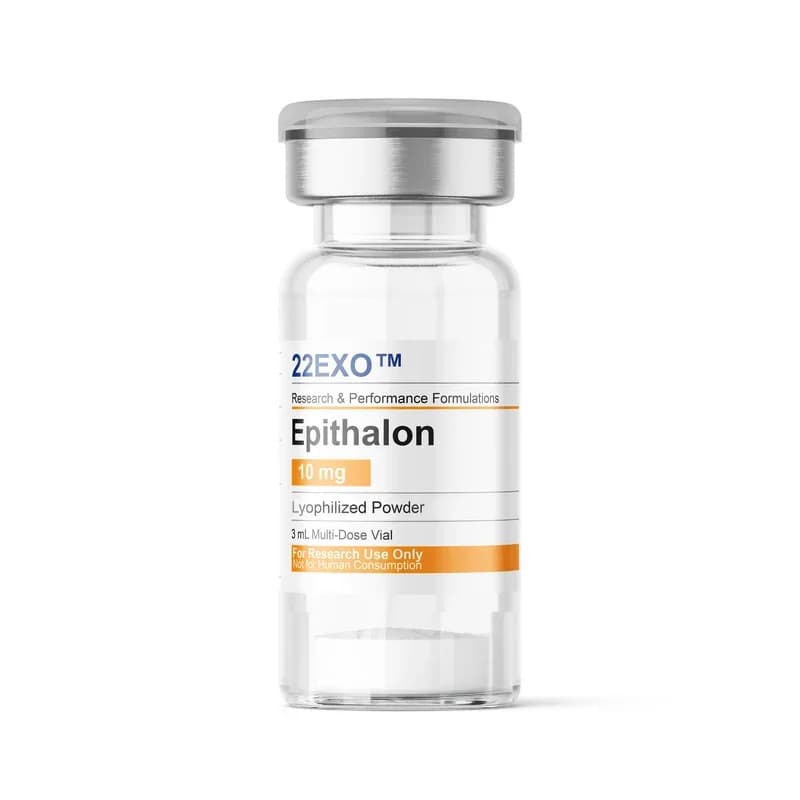
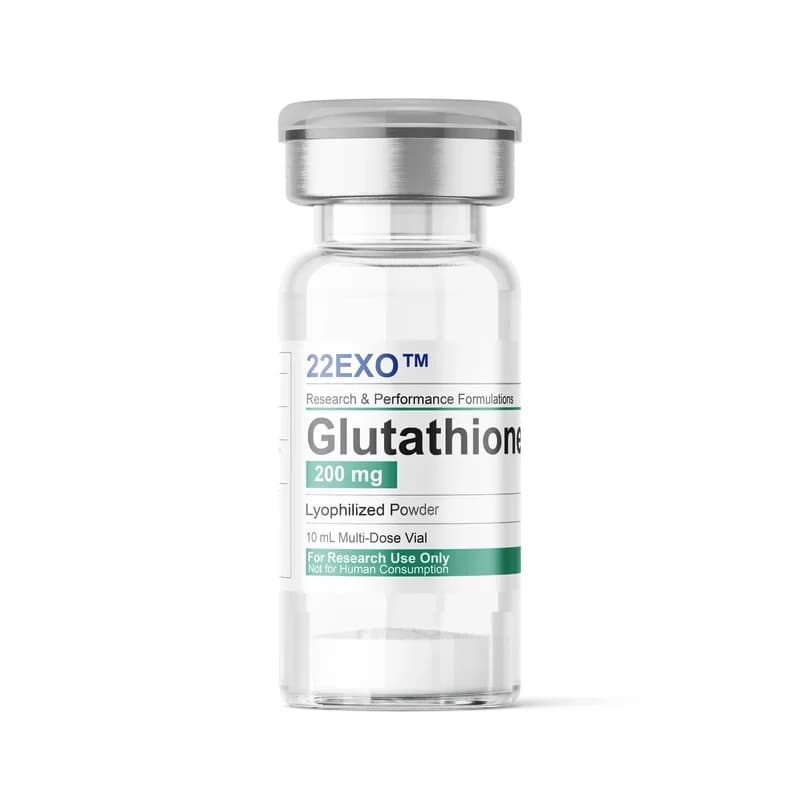
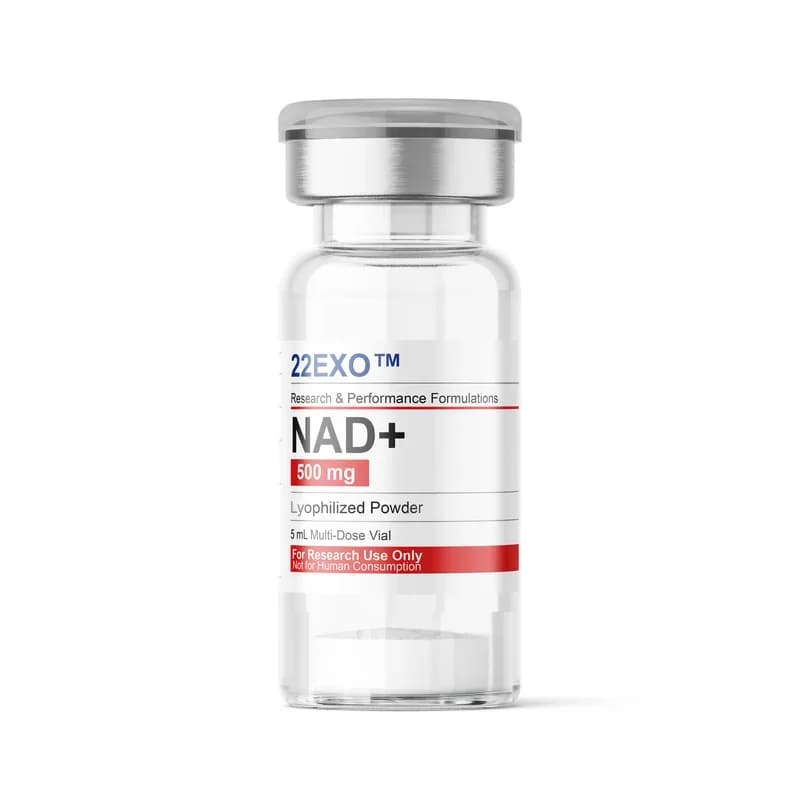
9 min readLongevity & Cellular HealthLongevity Peptides: What Does the Research Say About NAD+, Epithalon, and Glutathione?
NAD+ depletion, telomere shortening, and oxidative stress are three of the most studied mechanisms in aging biology. Here's what the research on Epithalon, NAD+, Glutathione, and MOTS-c actually shows — and what it doesn't yet tell us.
10 min readLongevity & Cellular HealthMOTS-c: The Mitochondrial Peptide That Acts Like an Exercise Pill
MOTS-c is a mitochondrial-encoded peptide that rises during exercise and activates AMPK — doubling running capacity in old mice in USC's Reynolds 2021 study. A detailed look at what the research actually found.
13 min read