Featured
For research use only
Longevity & Cellular / Telomere Research
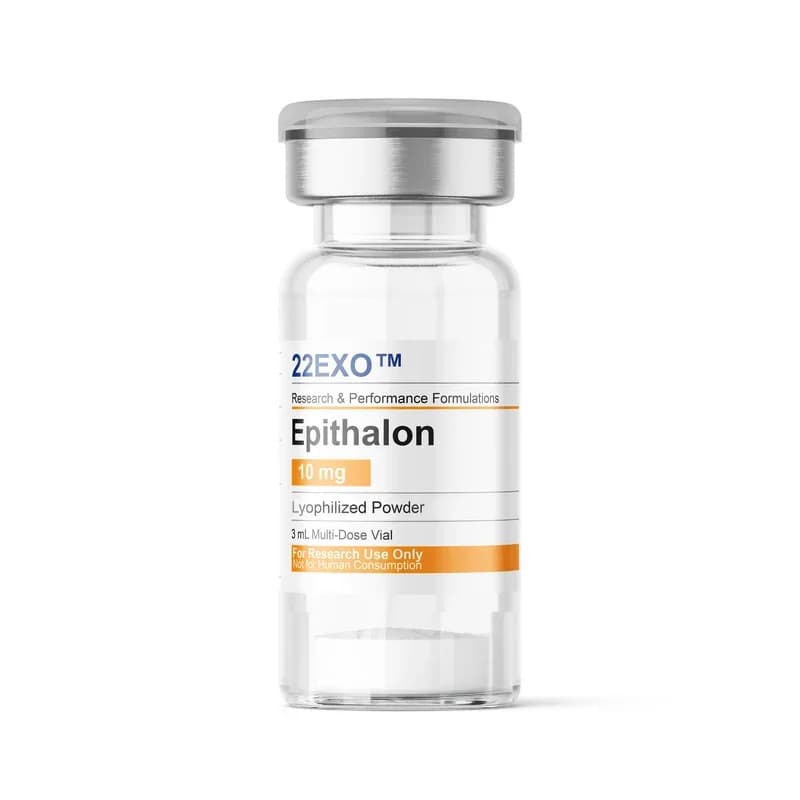
Epithalon 10mg
Research gradePronounced: eh-PITH-ah-lon
The telomere peptide: synthetic tetrapeptide that directly activates telomerase (hTERT), extends lifespan by 24% in model organisms, and restores pineal melatonin production.
- Target purity ≥98%
- COA pending: lot documentation on request View details
- Cold packs when needed
Order options
In stock
Save 20%You save $20.00 per vial
Free 2-Day Air at $200.00+ after discounts to eligible US street addresses. Two business days in transit after dispatch. Shipping details · Discreet packaging
Ordering for an institution? Volume pricing and purchase orders are available. Wholesale program → · Contact support
| 1 vial | $78.00 | |
| 2 vials | $74.10 | Save 5% |
| 3 vials | $70.20 | Save 10% |
| 4 vials | $66.30 | Save 15% |
| 5–9 vials | $62.40 | Save 20% |
| 10+ vials | $58.50 | Save 25% |
Tiers apply to the quantity on each cart line; a Subscribe & Save line is priced separately from a one-time line.
Product details & certificate of analysis
Overview
Epithalon (Epitalon, Epithalone) is a synthetic tetrapeptide (Ala-Glu-Asp-Gly) based on the naturally occurring pineal peptide Epithalamin, first characterized and developed by Professor Vladimir Khavinson at the St. Petersburg Institute of Bioregulation and Gerontology. Epithalon holds the extraordinary distinction of being the most extensively studied peptide in telomere biology, with over 20 years of published research from the Khavinson group and independent laboratories demonstrating its ability to activate telomerase (hTERT): the enzyme responsible for maintaining chromosomal telomere length. The 10mg format supports extended research protocols including in vitro telomere studies, in vivo aging models, and neuroendocrine restoration experiments.
- Target purity
- ≥98% (COA pending)
- Strength
- 10mg
- CAS
- 307297-39-8
- Formula
- C14H22N4O9
- Form
- Lyophilized Powder
- Vial
- 3 mL Multi-Dose Vial
Sequence: Ala-Glu-Asp-Gly
Certificate of analysis pending
Third-party certificate of analysis for the current lot is pending. Email [email protected] to request lot documentation before ordering.
Research context
Mechanism
Epithalon's primary and most extensively validated mechanism involves direct upregulation of telomerase reverse transcriptase (hTERT) gene expression and enzyme activity. Telomerase adds the hexameric TTAGGG repeat sequence to 3' chromosome ends, counteracting the progressive shortening that occurs with each somatic cell division (the Hayflick limit): the cellular clock of biological aging. Secondarily, Epithalon stimulates the pineal gland to synthesize and secrete melatonin, helping to restore the circadian rhythm regulation that deteriorates with aging. Additional research documents effects on neuroendocrine regulation (normalization of hypothalamic-pituitary axis function), antioxidant enzyme activation (SOD and glutathione peroxidase upregulation), T-cell function normalization in aged subjects, and direct anti-mutagenic effects on DNA integrity.
Published research
- 1Direct elongation of telomeres in human somatic cells via telomerase enzyme activation: the defining mechanism of Epithalon's aging biology (Khavinson et al., 2003)
- 224% increase in maximum lifespan in Drosophila melanogaster and significant lifespan extension in rodent aging models with reductions in age-related pathology (Anisimov et al., 2002)
- 3Restoration of melatonin secretion patterns in aged primates and rodents, normalizing age-related circadian disruption and improving sleep architecture (Khavinson & Morozov, 2003)
- 4Significant increases in antioxidant enzyme activity (SOD, glutathione peroxidase, catalase) in aging rat tissues, reducing oxidative damage markers
- 515-year human clinical observation study in elderly patients receiving Epithalamin (the natural precursor) showing reduced cardiovascular mortality, lower cancer incidence, and improved immune function (Khavinson & Morozov, 2004)
Methodology note: This product summary references published preclinical and clinical research. 22EXO does not make therapeutic claims. All compounds are sold strictly for laboratory and research applications.
Disclaimer: For in-vitro laboratory research use only. Not for human or veterinary use. By purchasing, you agree to our terms of service and confirm that this product will only be used for legitimate research purposes.
Related research
All articlesBiohacking and Peptide Research: How the Consumer Science Community Is Driving Discovery
The biohacker and citizen science community isn't waiting for clinical trials. Here's how consumer demand is reshaping peptide research priorities, and why quality sourcing matters more than most people in this space realize.
9 min readLongevity & CellularLongevity Peptides: What Does the Research Say About NAD+, Epithalon, and Glutathione?
NAD+ depletion, telomere shortening, and oxidative stress are three of the most studied mechanisms in aging biology. Here's what the research on Epithalon, NAD+, Glutathione, and MOTS-c actually shows, and what it doesn't yet tell us.
10 min readResearch GuidesWhat Are Peptides? A Beginner's Guide to Research
An introduction to peptides: amino-acid chains, peptide bonds, synthesis, purity testing and research terminology, with a separate guide to peptide-versus-protein definitions.
14 min readLongevity & CellularMOTS-c: The Mitochondrial Peptide That Acts Like an Exercise Pill
MOTS-c is a mitochondrial-encoded peptide that rises during exercise and activates AMPK, doubling running capacity in old mice in USC's Reynolds 2021 study. A detailed look at what the research actually found.
13 min readLongevity & CellularEpithalon and Telomere Research: What Khavinson's Studies Actually Found
What Khavinson's telomerase findings, the Anisimov lifespan study, and recent cell line research actually found, including an honest account of the evidence's limitations and what remains to be established.
13 min readResearch GuidesResearch Peptide Dosing Protocols: What Published Studies Actually Used
A breakdown of the actual doses used in published BPC-157, CJC-1295, ipamorelin, AOD-9604, and Epithalon research, with a clear explanation of how allometric scaling converts animal study data to human equivalent doses.
12 min readComplementary compounds
Handling & storage
Handling & storage
Store lyophilized powder at −20°C, protected from light. Reconstitute with sterile water. The tetrapeptide structure is highly stable: reconstituted solution stable at 2–8°C for up to 21 days. Protect from prolonged UV exposure, which can oxidize the aspartate residue. Lyophilized form retains full potency for 24+ months at −20°C.
Reconstitution: Add bacteriostatic water slowly along the vial wall. Gently swirl until dissolved.
Contents: 10mg lyophilized powder in a 3 ml multi-dose vial with mannitol excipient.
What arrives
- 3 mL Multi-Dose Vial glass vial with lyophilized powder
- Crimp-sealed cap with tamper-evident seal
- Lot documentation available on request
- Insulated packaging, with a cold pack when weather or transit time warrant it
- Discreet shipping, no product names on the exterior
Customer reviews
No reviews yet for Epithalon 10mg.
Bought it? Be the first to share how it arrived: packaging, documentation, solubility. Reviews from purchasers are marked Verified Buyer.
Curated research companions
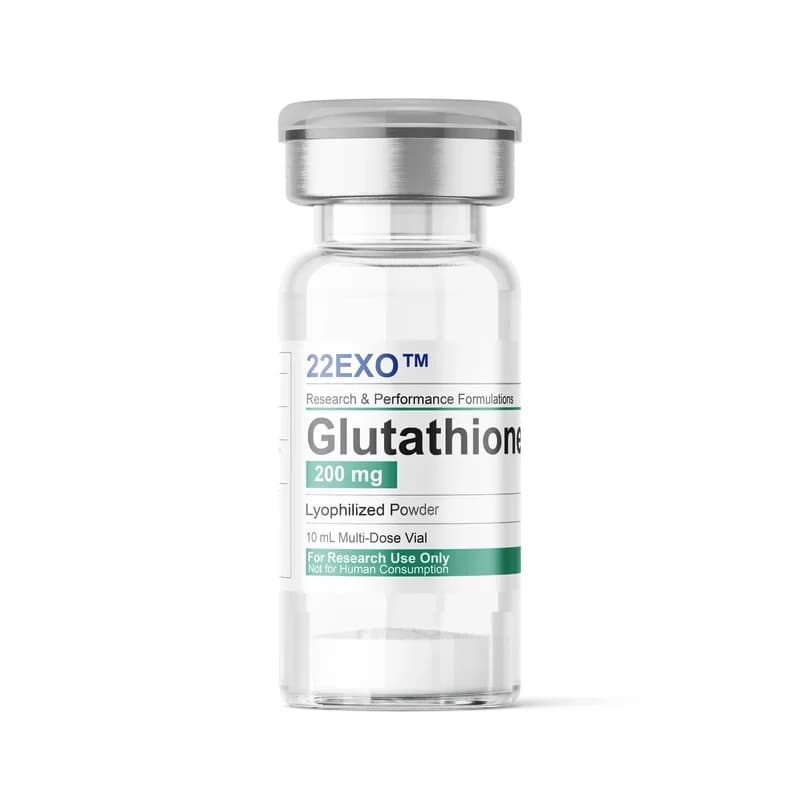
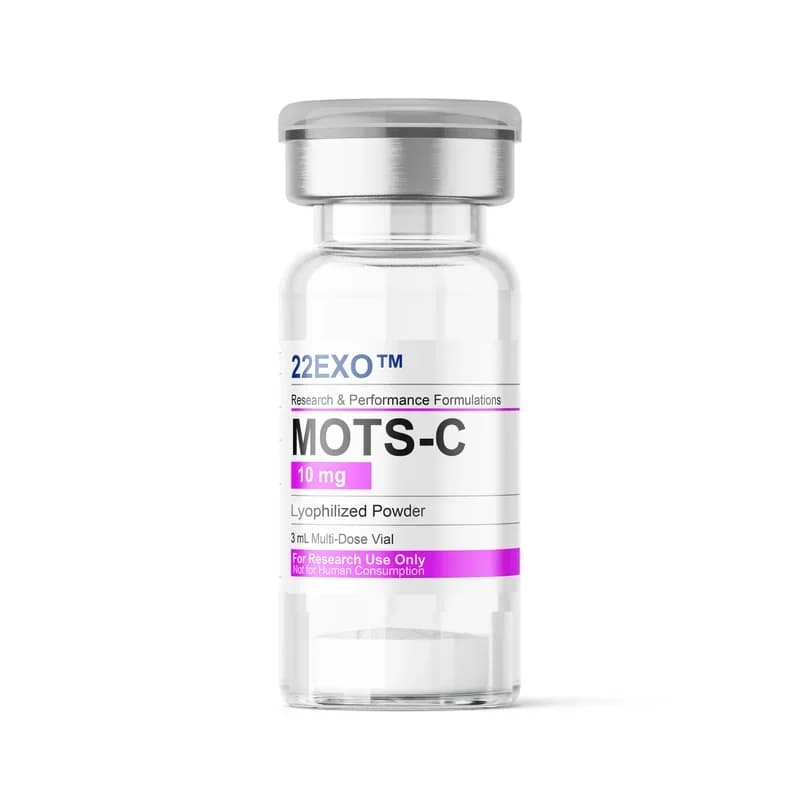
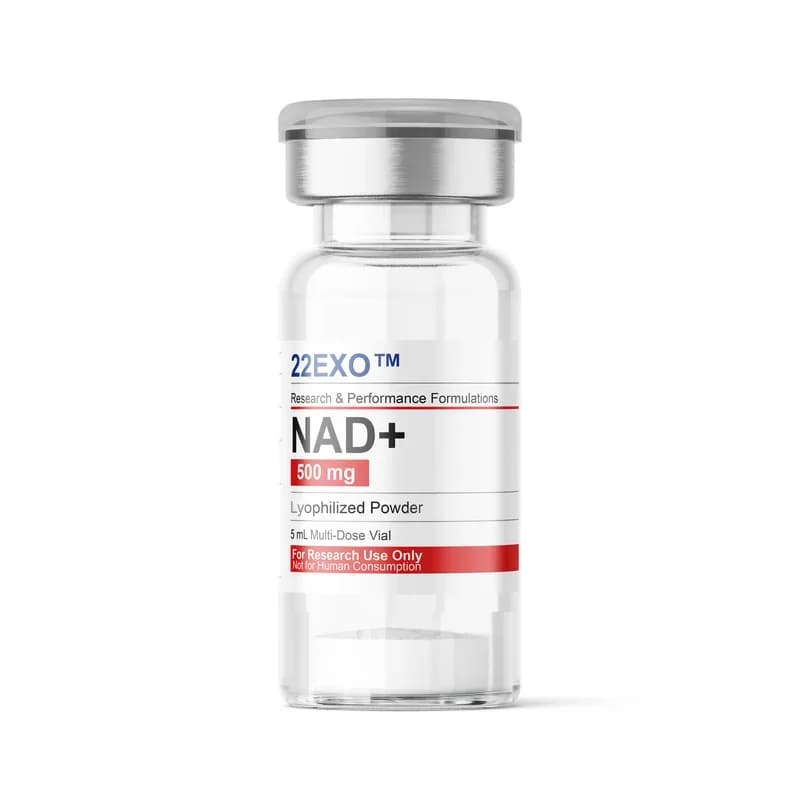
Choose any catalog items you want to add alongside Epithalon 10mg.
Total for 3 items: $266.00