
Tissue Recovery Protocol
Tissue repair and regeneration research
BPC-157 + TB-500 pre-blended with GHK-Cu. Three tissue-repair peptides covering cytoprotection, cell migration, and copper-dependent remodeling.
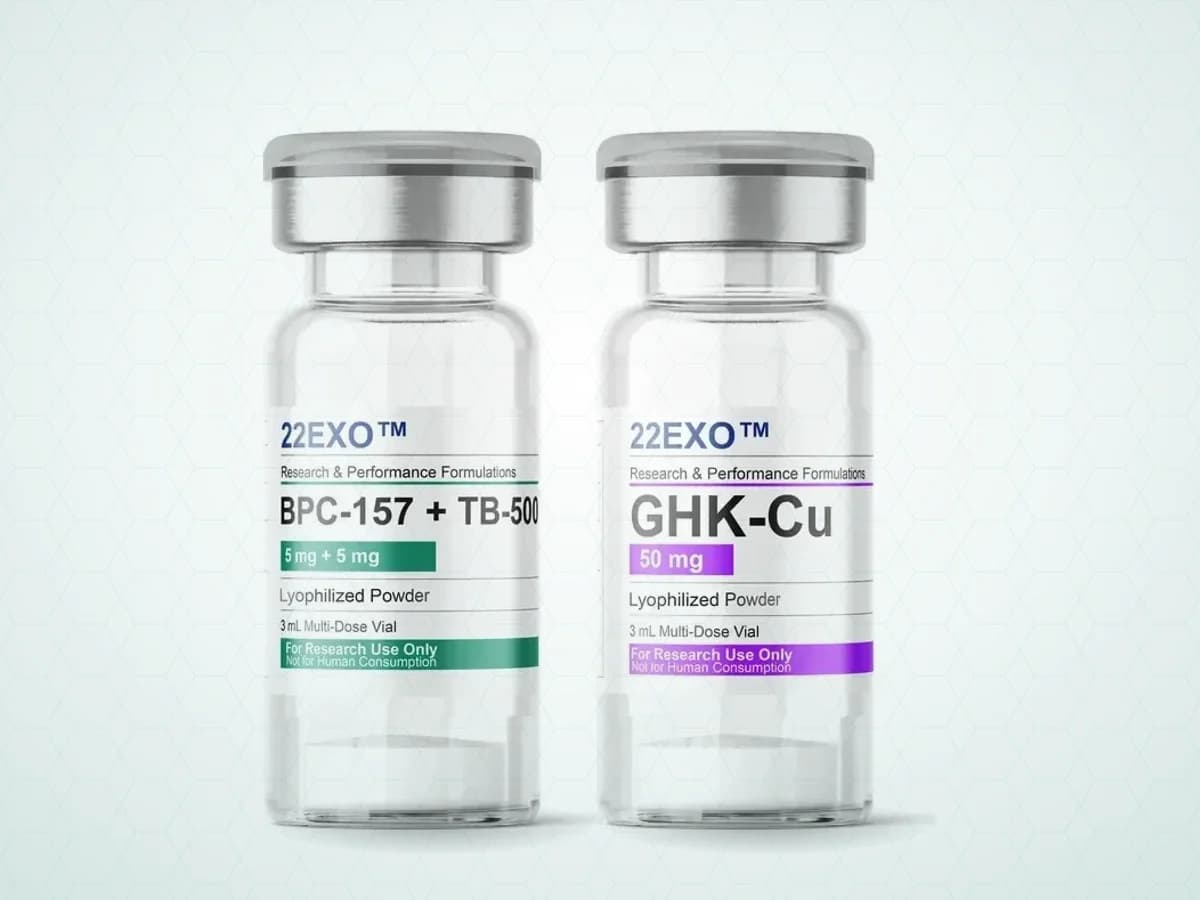
What's in this stack
Each compound ships individually with its own certificate of analysis (or a COA-pending notice until the lot report is on file).
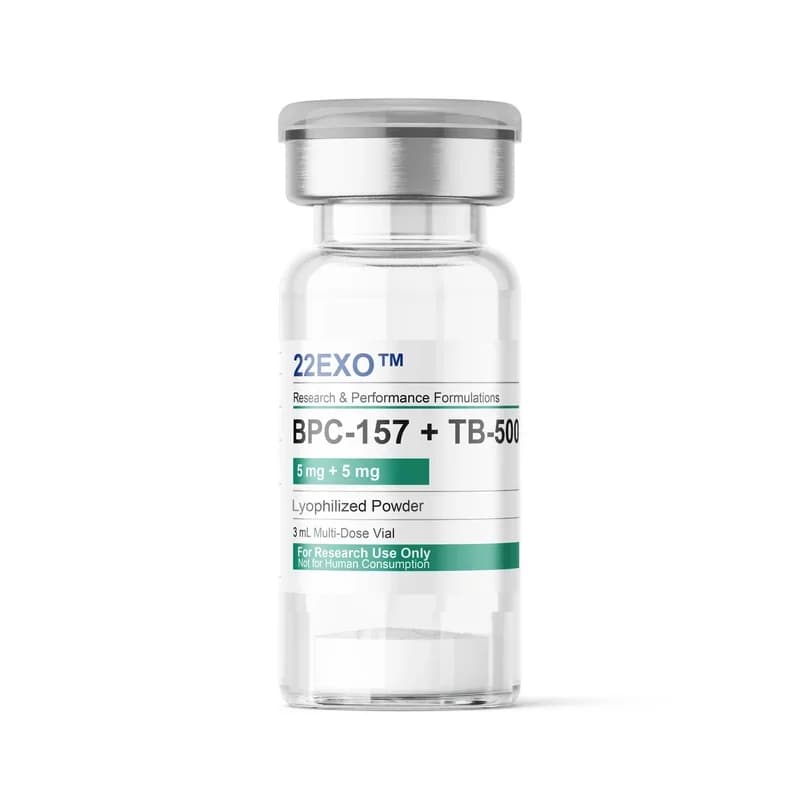 BPC-157 + TB-500 Blend (5mg/5mg)
Cytoprotection (BPC-157) + cell migration (TB-500), pre-blended
$94.00
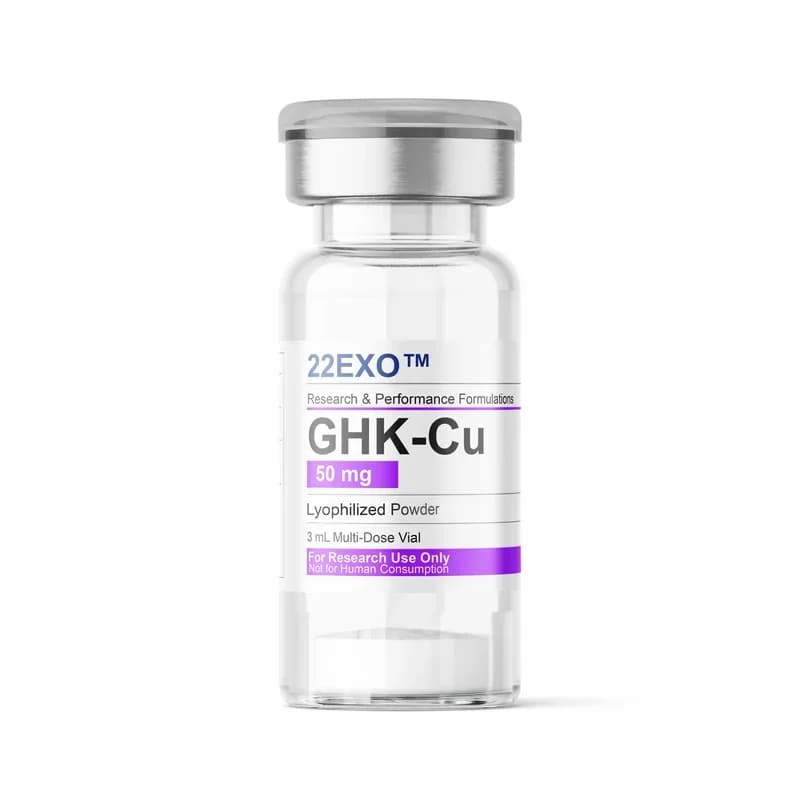
- BPC-157 + TB-500 synergistic blend
- GHK-Cu for copper-dependent remodeling
- 400+ combined published studies
Research rationale
BPC-157 (Body Protection Compound) upregulates growth factors including VEGF, EGF, and NGF while modulating the nitric oxide system. TB-500 (Thymosin Beta-4) promotes actin polymerization and cell migration critical for wound healing. GHK-Cu is a naturally occurring copper tripeptide that activates tissue remodeling through metalloproteinase regulation and collagen synthesis. Together, these three compounds address tissue repair through distinct, non-overlapping signaling cascades.
Complementary mechanisms
The BPC-157 + TB-500 blend is pre-combined at validated ratios, eliminating reconstitution complexity. Adding GHK-Cu provides the copper-dependent remodeling pathway that neither BPC-157 nor TB-500 activates directly — creating three-axis coverage: cytoprotection (BPC-157), cell migration (TB-500), and extracellular matrix remodeling (GHK-Cu).
Protocol details
Key references
- 1.BPC-157 accelerated healing of transected Achilles tendons — Staresinic et al., 2003
- 2.Thymosin Beta-4 promotes wound healing through actin sequestration — Goldstein et al., 2005
- 3.GHK-Cu stimulates collagen synthesis in human fibroblasts — Pickart et al., 2012
- 4.BPC-157 + TB-500 synergistic tissue repair in rodent models — Sikiric et al., 2018
Frequently asked questions
Why a pre-blended BPC-157 + TB-500?
Pre-blending ensures consistent molar ratios between the two peptides, eliminates reconstitution math, and reduces vial handling — critical for reproducible research outcomes.
Why add GHK-Cu separately?
GHK-Cu has different storage requirements and reconstitution protocols than the peptide blend. Keeping it separate preserves stability and allows researchers to adjust copper peptide dosing independently.
What purity level is each compound?
Purity is reported lot by lot, on that lot's Certificate of Analysis; the third-party COAs we hold report reversed-phase HPLC with UV detection (RP-HPLC/UV). Where a lot-specific COA is on file it is linked on the product page; for components marked COA pending, lot documentation is available on request through a support ticket.
Tissue Recovery Protocol
2 research-grade compounds. Third-party COAs linked on each product page where on file.
For in-vitro laboratory research use only. Not for human or veterinary use.